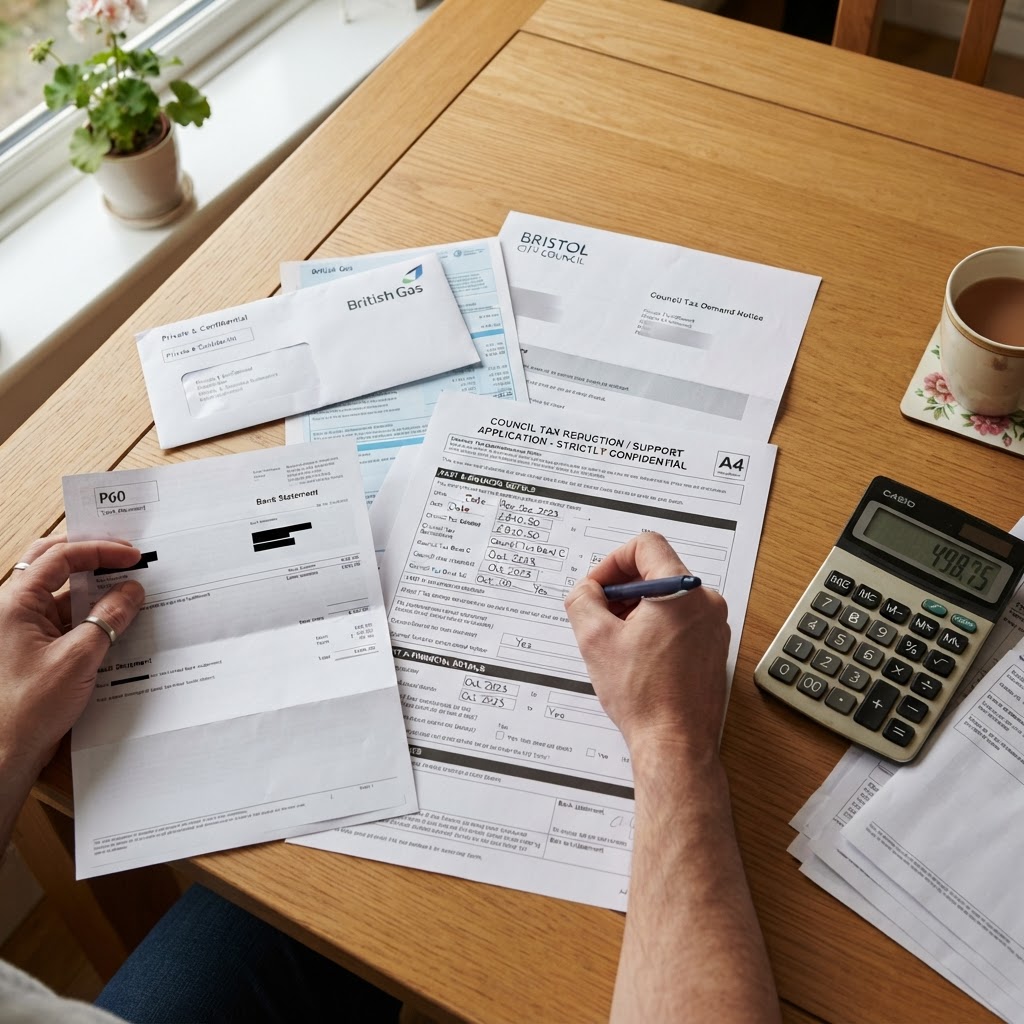
Council Tax Reduction is help from your local council that can lower the amount of council tax you have to pay if you are on a low income. It is sometimes still called Council Tax Support. The exact rules can vary depending on where you live, because each council runs its own scheme, but the overall purpose is the same: to make the bill more affordable when household money is stretched. If you rent, own your home, work, receive benefits or have limited savings, it may still be worth checking because support is not limited to one single group of people.
A lot of people miss out because they assume they will not qualify, or because they already receive another benefit and think all available help will have been added automatically. In reality, councils often expect people to apply directly. Your entitlement can depend on things like income, who lives with you, whether you have children, whether anyone in the home has a disability, and the local rules where you live. That is why it is usually best to check with your own council rather than guessing.
If paying council tax is becoming difficult, it helps to act early. Falling behind can lead to extra stress very quickly, and it is usually easier to sort things out before arrears build up. Applying for Council Tax Reduction may lower what you owe going forward, and in some situations it may help explain your circumstances if you are already behind. If your finances are under wider pressure, it can also be worth checking for other help at the same time, such as benefits advice, budgeting support, discretionary local welfare help or debt advice.
If the process feels confusing, you do not have to work it out alone. Advice services can help you understand what the council is asking for, gather information, and make sure you are not missing other forms of support. Even if you are unsure whether you qualify, asking the question is often worthwhile, because a reduction in your bill can ease pressure month after month.